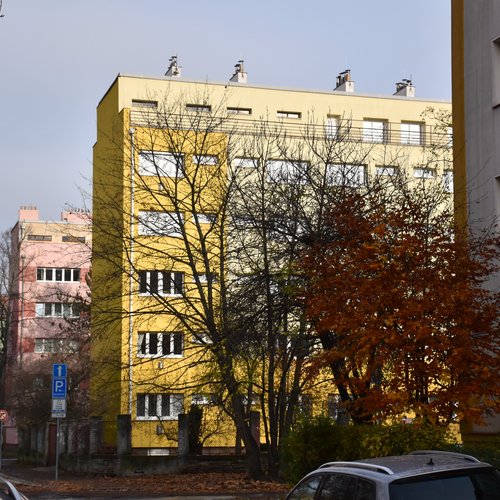
Green Fox (Zelená liška) (1932)

Feed image of Green Fox

#Housing estate #Prague (Praha) #Czechia #1932

Architects

Bohumír Kozák, František Albert Libra, Ladislav Kozák, Antonín Černý, Jiří Kan, Jarmila Lisková, Ivan Šula

Developers

Ústřední sociální pojišťovna

Address and directions

Humpolecká 521/4, 1937/6, 1938/8, 1939/10, 1940/12, 1941/12, 1942/14, 1943/16, 1885/22, 556/24, 1886/26; Jankovská 525/4, 526/6; Krchlebská 1888/2, 1889/4, 1890/6, 1891/8, 1892/10, 1893/12; Neveklovkská 518/1, 518/3. 524/4, 520/5, 520/7, 518/12, 520/14, 520/16, 523/2, 523/8; Oběti 6. května 553/2, 554/4, 555/6; U nových domů I 525/1,, 524/3 ; U nových domů II 527/1, 528/3, 529/5, 530/7, 531/9, 532/11, 1894/13; U nových domů III 533/1, 534/3, 535/5, 536/7, 537/9, 538/11, 1894/13, 1943/15; Za zelenou liškou 539/1, 546/2, 540/3, 547/4, 541/5, 548/6, 542/7, 549/8, 543/9, 550/10, 544/11, 551/12, 545/13, 552/14
140 00 Prague (Praha), Czechia

Public transport: Budějovická / Pánkrac

Today's use: Apartments and shops
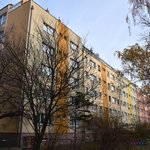
Small Apartments for a Growing City

Description

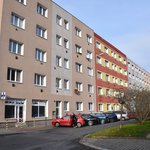
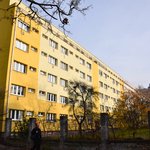
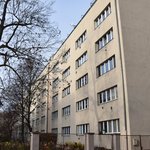
A total of eleven rows of houses were built, constructed successively. The project involved a group of seven architects.

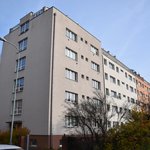
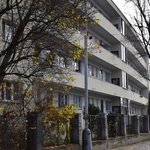
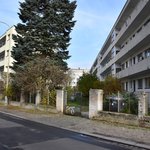
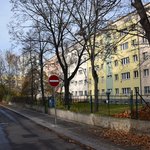
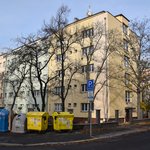
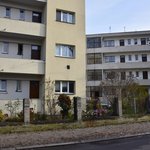
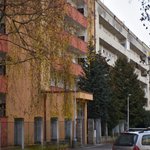
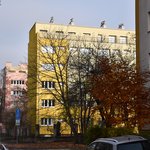
Construction began between 1932 and 1934 with the brothers Kozák on Za Zelenou Liškou Street. It is not said, but the houses along the streets U nových domů II and III are designed in the same style. These buildings are now hardly distinguishable from the serial prefabricated housing blocks built from the 1950s onward, especially since they have also received thermal insulation and updated color schemes.

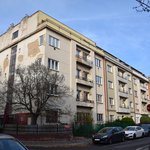
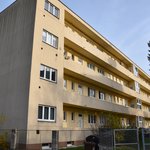
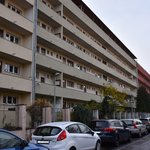
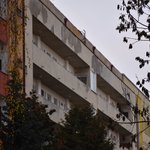
In contrast, the single-loaded corridors buildings by Antonín Černý are more clearly recognizable as products of their time. Their external access corridors facing the street provide entry to the individual apartments. Černý also designed the nearby former existing laundry building. Architecturally rooted in the period, it also served as a social meeting place within the neighborhood. It was equipped so that washing machines, dryers, and a mangle were available for use by 60 residents within the space of an hour. Because the apartments themselves did not have washing machines, residents went to this central laundry facility to do their washing. However, the building was demolished in 2006.

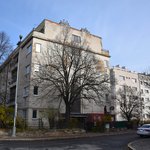
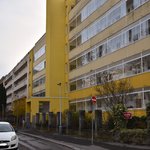
František Libra and Jiří Kan designed the taller gallery-access buildings on Oběti 6. května and Humpolecká streets, which were constructed between 1935 and 1939. They have the single-loaded corridors on their north-east side for entering each flat.

The last two similar houses built in the settlement before the war were designed by Jamila Lisková and Ivan Šula and erected between 1937 and 1939 on Krchlebská and Humpolecká streets of the complex. These contained the smallest apartments in the settlement.

Description

A total of eleven rows of houses were built, constructed successively. The project involved a group of seven architects.

Construction began between 1932 and 1934 with the brothers Kozák on Za Zelenou Liškou Street. It is not said, but the houses along the streets U nových domů II and III are designed in the same style. These buildings are now hardly distinguishable from the serial prefabricated housing blocks built from the 1950s onward, especially since they have also received thermal insulation and updated color schemes.

In contrast, the single-loaded corridors buildings by Antonín Černý are more clearly recognizable as products of their time. Their external access corridors facing the street provide entry to the individual apartments. Černý also designed the nearby former existing laundry building. Architecturally rooted in the period, it also served as a social meeting place within the neighborhood. It was equipped so that washing machines, dryers, and a mangle were available for use by 60 residents within the space of an hour. Because the apartments themselves did not have washing machines, residents went to this central laundry facility to do their washing. However, the building was demolished in 2006.

František Libra and Jiří Kan designed the taller gallery-access buildings on Oběti 6. května and Humpolecká streets, which were constructed between 1935 and 1939. They have the single-loaded corridors on their north-east side for entering each flat.

The last two similar houses built in the settlement before the war were designed by Jamila Lisková and Ivan Šula and erected between 1937 and 1939 on Krchlebská and Humpolecká streets of the complex. These contained the smallest apartments in the settlement.

History

This represented a new step in Prague. After the 1929 global economic crisis, contributions to the housing fund in Czechoslovakia ceased, which made the construction of family homes and apartment buildings unattractive because investments were no longer profitable. The state considered which organization should assume responsibility for the construction of the new housing estate. In the end, the task was entrusted to OPAS, the public-benefit joint-stock company for the construction of small apartments, which had been established specifically for this purpose by the Central Social Insurance Institution.  

As a result, the state built these buildings with very small apartments in order to provide more housing for the growing city. The planning authority therefore selected this site, far from the city’s industrial centres in the east. Although Praha neznámá notes that the mostly left-leaning architects pursued the idea of collective living—reducing private living space to the necessary minimum—it does not explicitly state whether this was also the primary intention behind this particular housing estate.

In Czechoslovakia, true collective housing projects, such as those in Zlín or Litvínov, were only built after the Second World War, during the early years of socialism. The housing estate was planned to extend along Budějovická, Na Strži and Olbrachtova streets. However, due to the Second World War, the peripheral development along Budějovická and the southern section were not built until after 1945, when residential buildings and a few office buildings were constructed there. A tragic chapter occurred on February 2, 1945, when the German SS killed 51 people. As a result, there are many memorial plaques in the neighborhood, and the street Oběti 6. května is called “Street of the Victims of May 6.

The name Zelená liška comes from an inn that no longer exists today. The green fox motif can still be found in the area.

History

This represented a new step in Prague. After the 1929 global economic crisis, contributions to the housing fund in Czechoslovakia ceased, which made the construction of family homes and apartment buildings unattractive because investments were no longer profitable. The state considered which organization should assume responsibility for the construction of the new housing estate. In the end, the task was entrusted to OPAS, the public-benefit joint-stock company for the construction of small apartments, which had been established specifically for this purpose by the Central Social Insurance Institution.  

As a result, the state built these buildings with very small apartments in order to provide more housing for the growing city. The planning authority therefore selected this site, far from the city’s industrial centres in the east. Although Praha neznámá notes that the mostly left-leaning architects pursued the idea of collective living—reducing private living space to the necessary minimum—it does not explicitly state whether this was also the primary intention behind this particular housing estate.

In Czechoslovakia, true collective housing projects, such as those in Zlín or Litvínov, were only built after the Second World War, during the early years of socialism. The housing estate was planned to extend along Budějovická, Na Strži and Olbrachtova streets. However, due to the Second World War, the peripheral development along Budějovická and the southern section were not built until after 1945, when residential buildings and a few office buildings were constructed there. A tragic chapter occurred on February 2, 1945, when the German SS killed 51 people. As a result, there are many memorial plaques in the neighborhood, and the street Oběti 6. května is called “Street of the Victims of May 6.

The name Zelená liška comes from an inn that no longer exists today. The green fox motif can still be found in the area.

Sources

Sources

Facades
plaster
Windows
casement
Roof
flat
Details
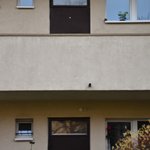
flagpole railing single-loaded corridor
Position
along a street periphere/neighbourhood
Storeys
6

Impressions

Gallery image of Green Fox Gallery image of Green Fox Gallery image of Green Fox Gallery image of Green Fox Gallery image of Green Fox Gallery image of Green Fox Gallery image of Green Fox Gallery image of Green Fox Gallery image of Green Fox Gallery image of Green Fox Gallery image of Green Fox Gallery image of Green Fox Gallery image of Green Fox Gallery image of Green Fox Gallery image of Green Fox Gallery image of Green Fox Gallery image of Green Fox Gallery image of Green Fox Gallery image of Green Fox Gallery image of Green Fox Gallery image of Green Fox Gallery image of Green Fox