Karel Řepa can justly be described as the architect of the interwar period in Pardubice. Born not far from the city, he began studying in Prague in 1918. One of his teachers was Jože Plečnik, whom he followed to Ljubljana in 1921. In 1923 he returned to Czechoslovakia and began his independent architectural career.
In Prague, he worked together with František Krásný on projects for the Czech gymnastics and sports organization Sokol. From 1925 onward, his work became closely associated with Pardubice. Among his projects there was the Physical Education and Sports Exhibition (Výstava tělesné výchovy a sportu) of 1931, large parts of which have not survived.
After the Second World War, he continued to design buildings in the style of classical modernism. With the rise of communist power after 1948, however, he was forced to close his architectural practice. He then joined Stavoprojekt, the country’s most important state construction organization, where he became chief architect in 1954. In that same year, 1954, he wrote to Jože Plečnik, that the years he spent studying under him had been the happiest time of his life. This remark in particular can be interpreted as a criticism of the existing regime. In a letter to him in 1955, he even referred to the confusion prevailing in contemporary architecture.
Together with his son Miroslav, he designed theatre buildings, like in Zlín. He ended his professional career in 1957.
Sources
- Wikipedia Karel Řepa
- Bartoš, Panoch: Karel Řepa. Pardubický architekt ve věku nejistot., 2003
Buildings
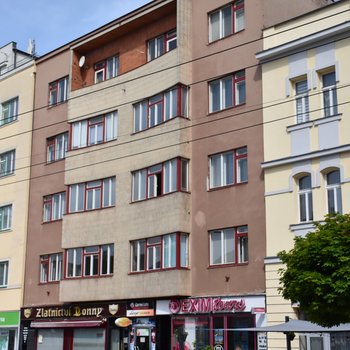
Pardubice, Czechia
Kolařík
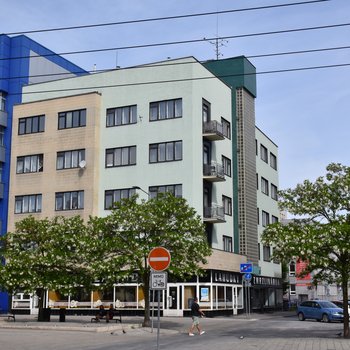
Pardubice, Czechia
Farmers’ cooperative
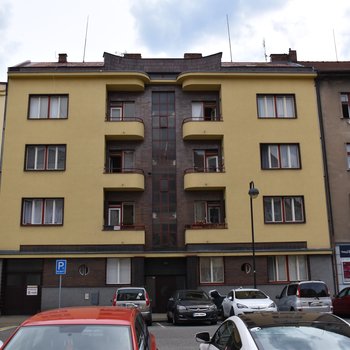
Pardubice, Czechia
House of Mr and Mrs Bubeníček